Request a quote
Brands / ICG / IC7
ICG IC7 · WattRate® TFT computer

Each leg has its own number.

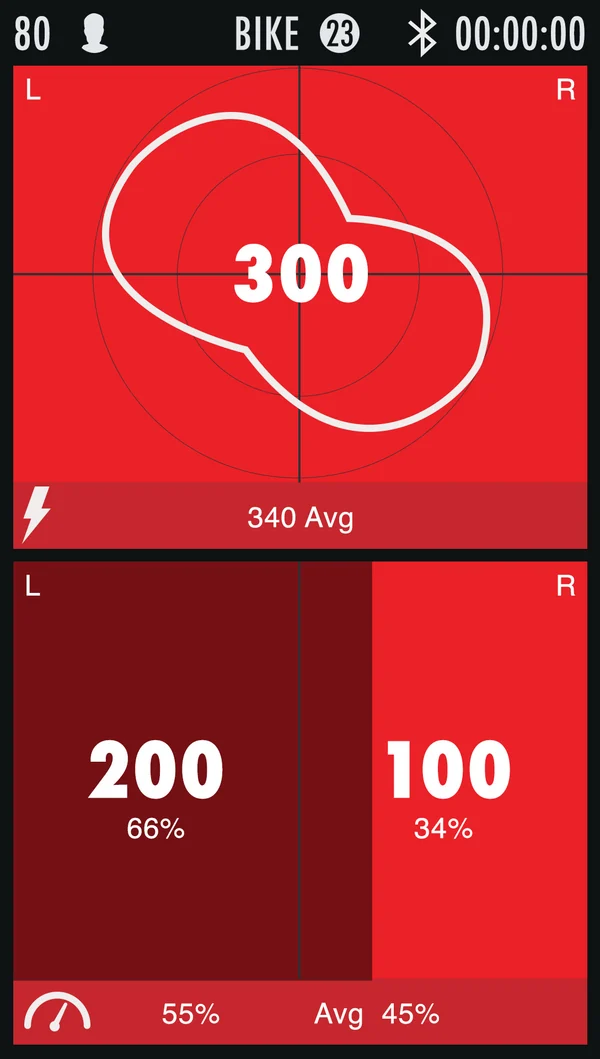
The IC7 is the top of the ICG line. It measures power directly, to an accuracy of ± 1%, and on its colour display shows how that power is spread through the pedal stroke and how much comes from the left leg and how much from the right.
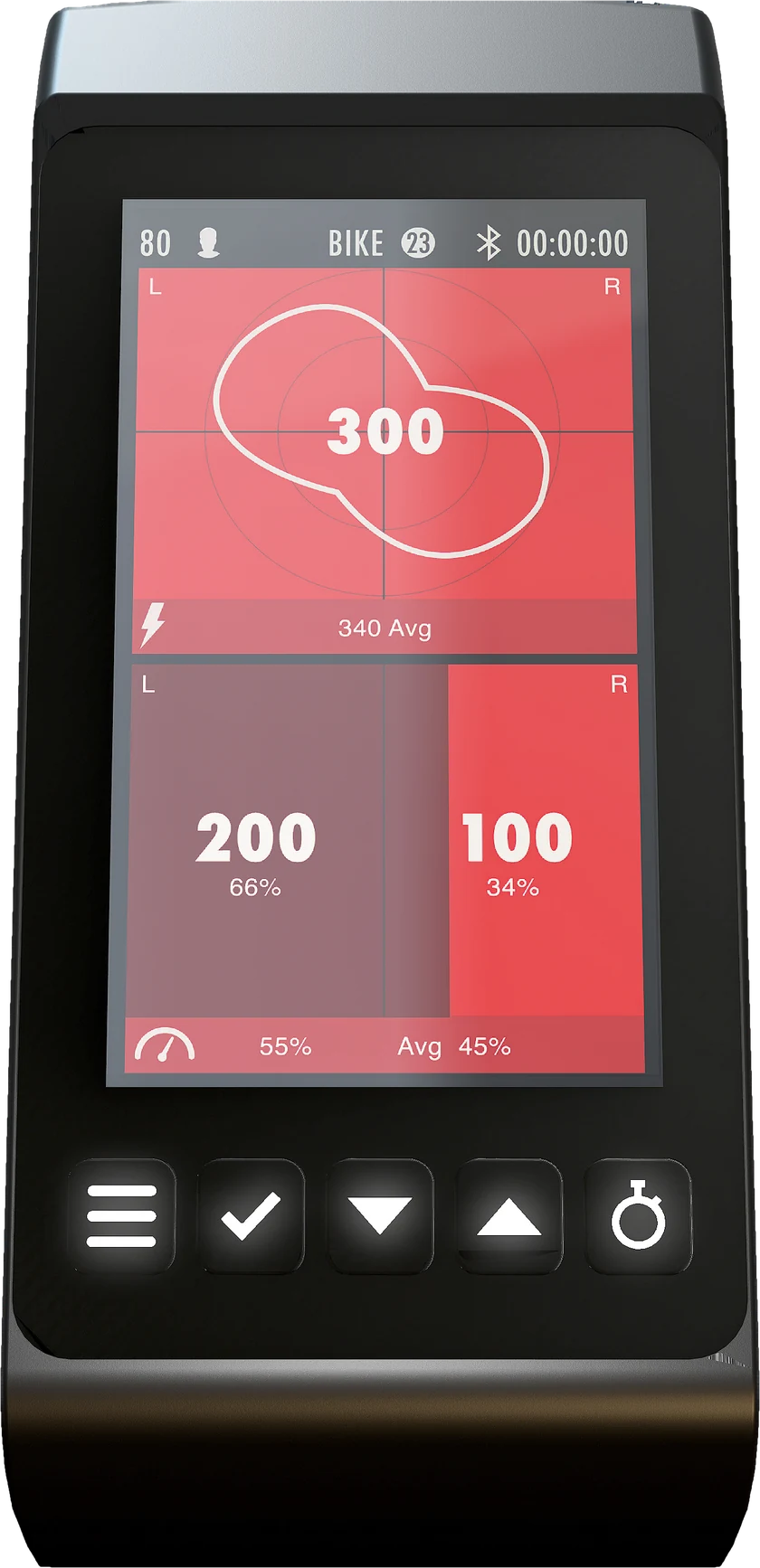
WattRate TFT computer on the ICG IC7, Pedal Efficiency screen
  • Pedal stroke curveForce through the full pedal stroke, live
  • Left legPower in watts and share in per cent
  • Backlit buttonsMechanical, visible even in the dark
  • Bluetooth and ANT+Data goes to the app
  • Total powerWatts now, ride average below
  • Right legPower in watts and share in per cent
± 1 %WattRate Direct Power Meter
L / RPower of each leg separately
Five zonesCoach By Color for rider and instructor
No cablesGenerator with a LiPo battery, charged by riding
Pedal Efficiency

The curve that shows how you pedal

A watt is only a total. This screen shows what it is made of: how force changes through the full pedal stroke and how much each leg contributes.

LR

Narrow figure of eightForce comes in two short bursts, as the pedal goes down. The rest of the stroke stays empty.

Schematic view of three typical shapes, according to ICG.

What is on the display

The view runs live during the ride and can also be reviewed at the end of the workout. A more even stroke means less energy spent for the same power, so this is a tool for working on technique, not just another number to look at.
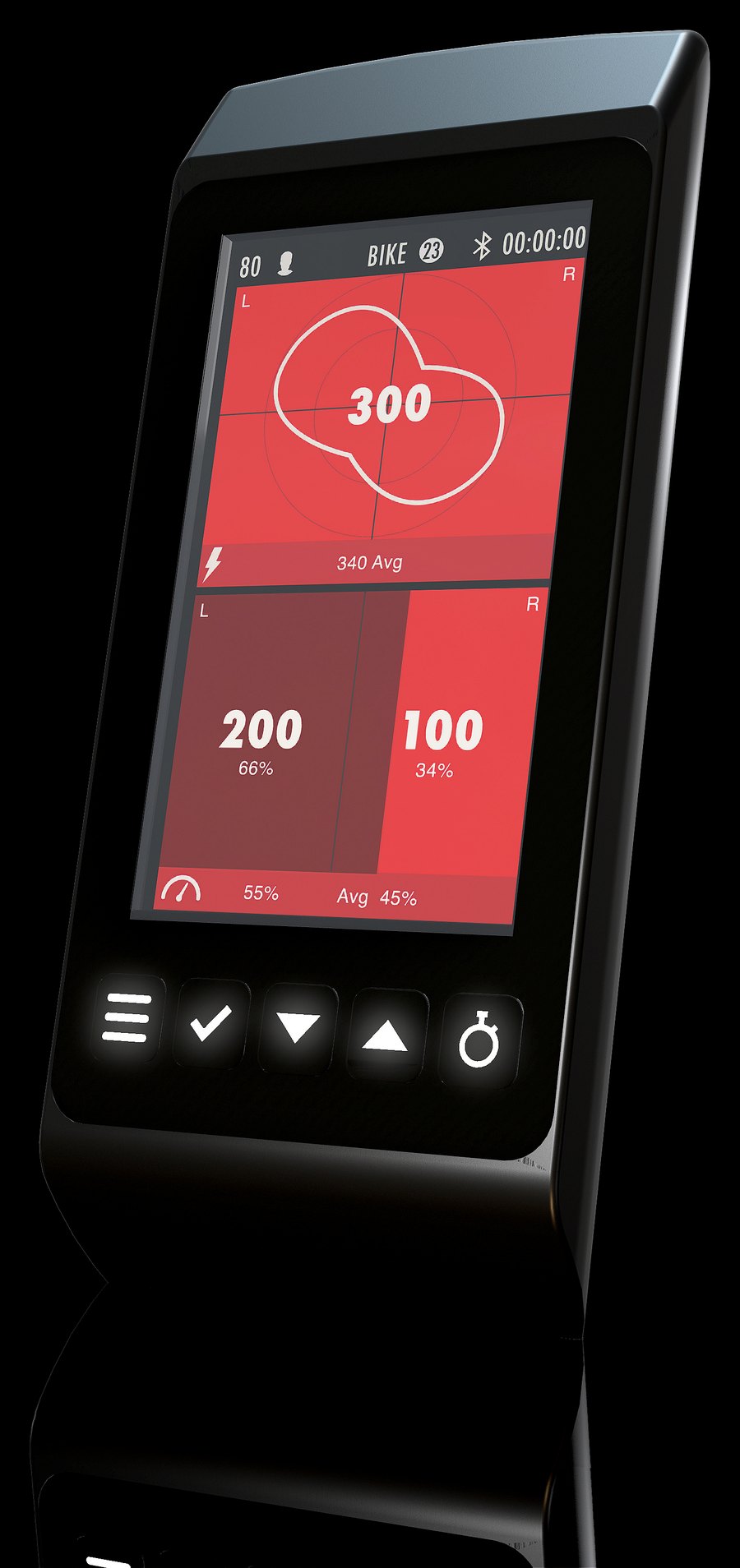
  • Pedal stroke curveThe shape shows where in the circle you are pushing and where the pedal is just passing through. The L and R markers separate the left and right leg.
  • Total powerWatts at this moment, with the ride average below.
  • Left and right legPower of each leg in watts and its share in per cent. In the example on the display: 200 W left and 100 W right, that is 66% to 34%.
ICG IC7 computer from the side, Pedal Efficiency screen
Power measurement
± 1 %
WattRate® Direct Power Meter

The IC7 does not estimate power from the resistance setting; it measures it. Photocells on the intermediate drive read torsion directly, to an accuracy of ± 1%. That is the difference between a number that motivates and a number you can train by.

  • It measures, it does not calculateTorsion is read directly at the drive, by photocells on the intermediate drive.
  • Left and rightPower of each leg separately, live on the display.
  • FTP mid-rideIf a zone is too easy or too hard, FTP can be changed without interrupting the workout.
  • No batteries to changeThe display and measurement are powered by a generator with a LiPo battery.
Coach By Color®

Five colours, on the display and at the front

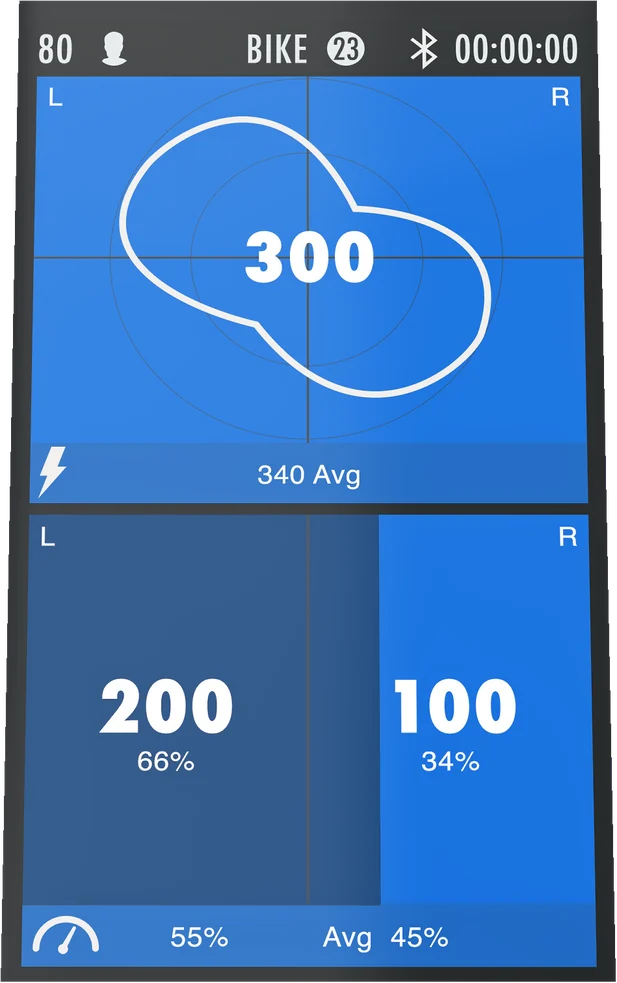
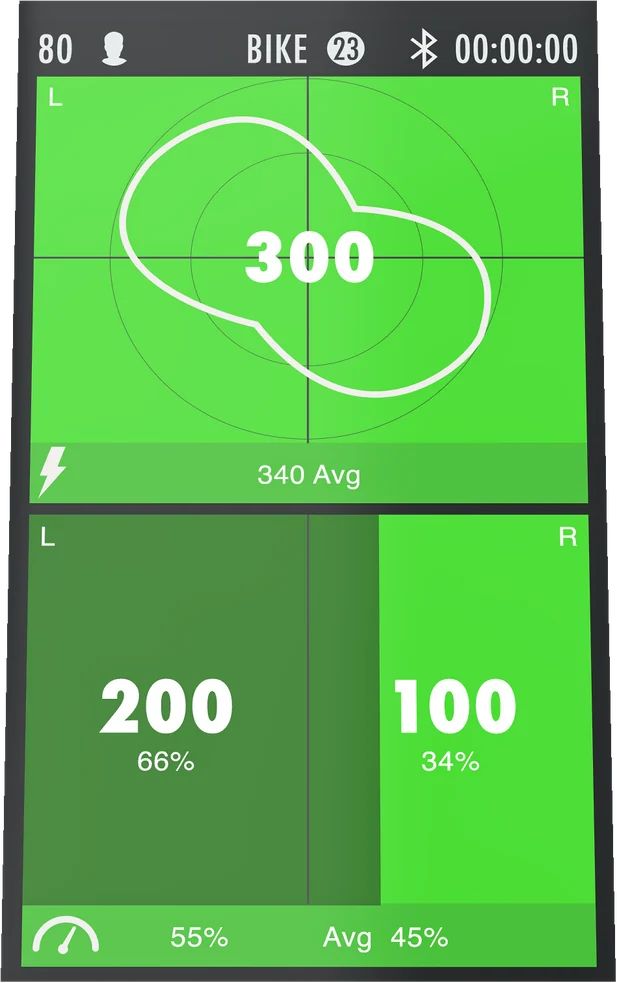
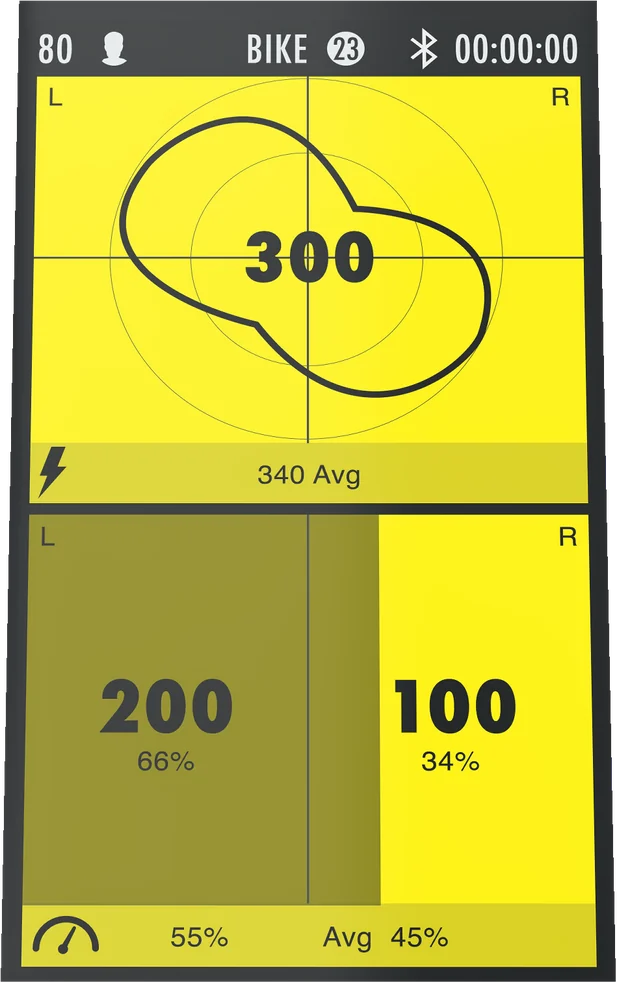
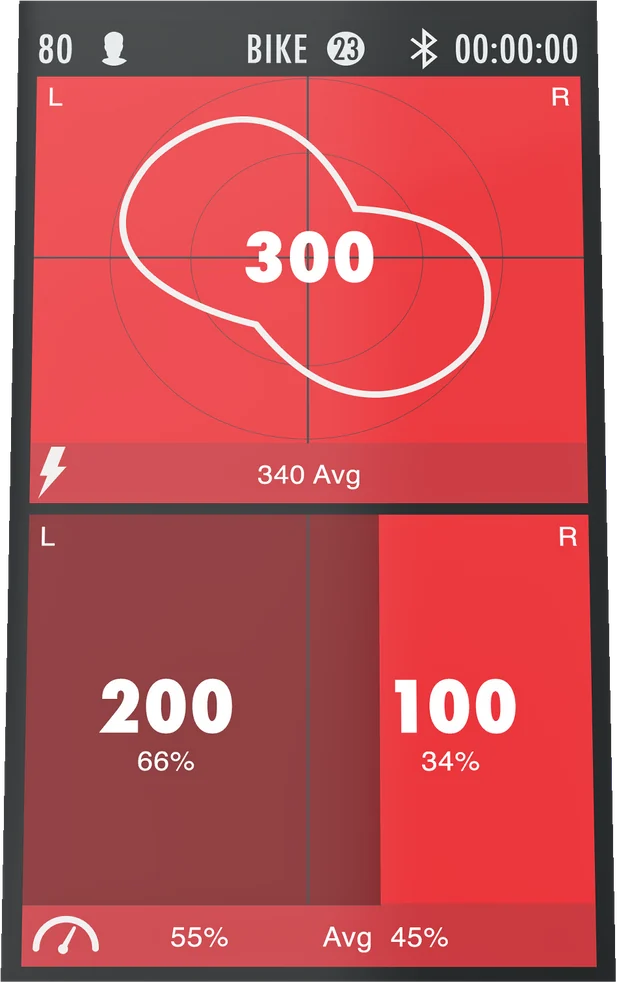
The display and the front LED strip are always the same colour. The rider sees it in front of them, and the instructor sees it from the podium, across the whole room. The colour follows power or heart rate and is calculated for each rider individually, so it is immediately clear whether to push harder or ease off.

Select a zone and see what the computer looks like.
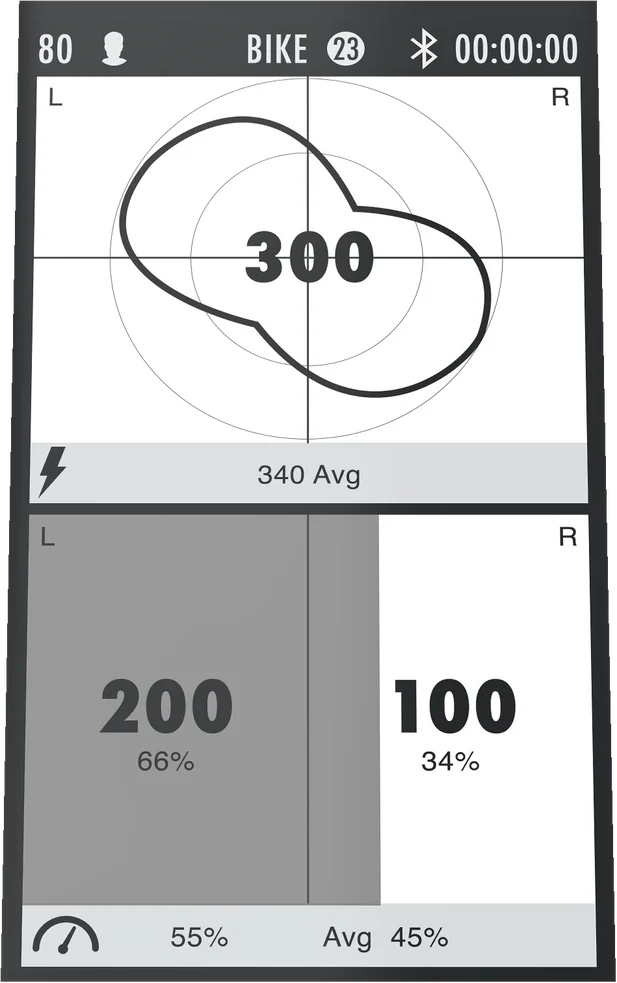
ICG IC7 computer Pedal Efficiency screen in the zone colour: whitePedal Efficiency screen in the zone colour: bluePedal Efficiency screen in the zone colour: greenPedal Efficiency screen in the zone colour: yellowPedal Efficiency screen in the zone colour: red

Red zone: maximum

Screens

Everything the computer shows

Five screens from the official interface overview. The figures in the images are examples, not measurements.
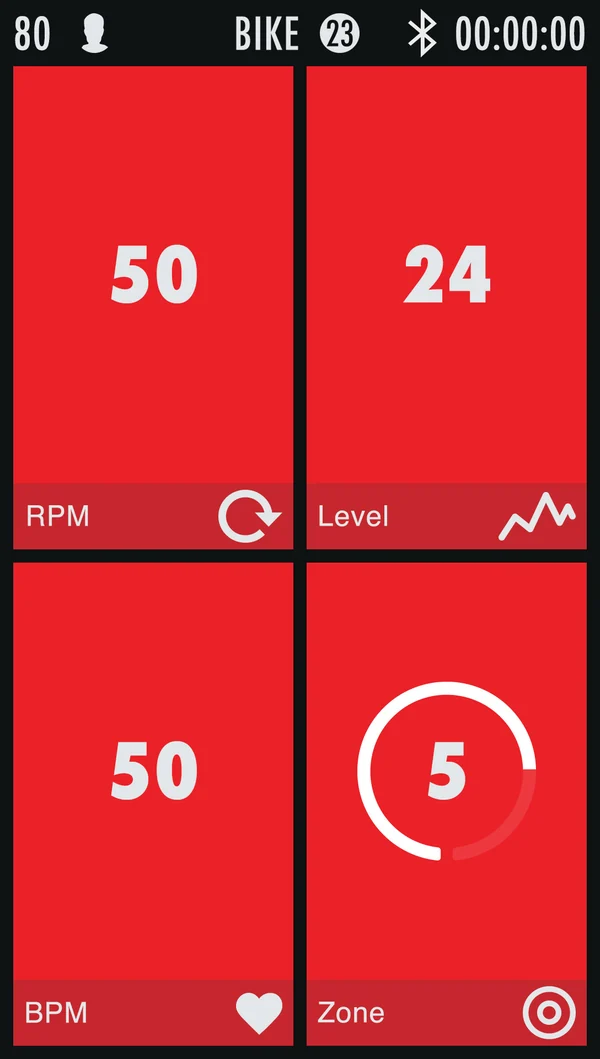
IC7 computer, screen 1: basicScreen 1Basic
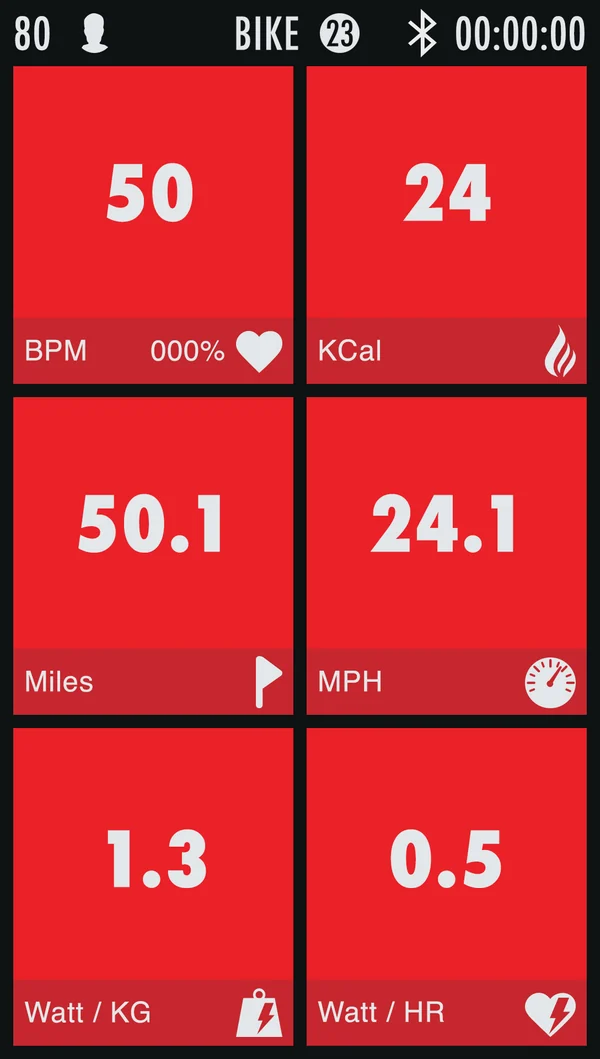
Cadence, resistance level, heart rate and the zone you are in right now.
IC7 computer, screen 2: rideScreen 2Ride
Heart rate, calories, distance and speed, plus the Watt/kg and Watt/HR ratios.
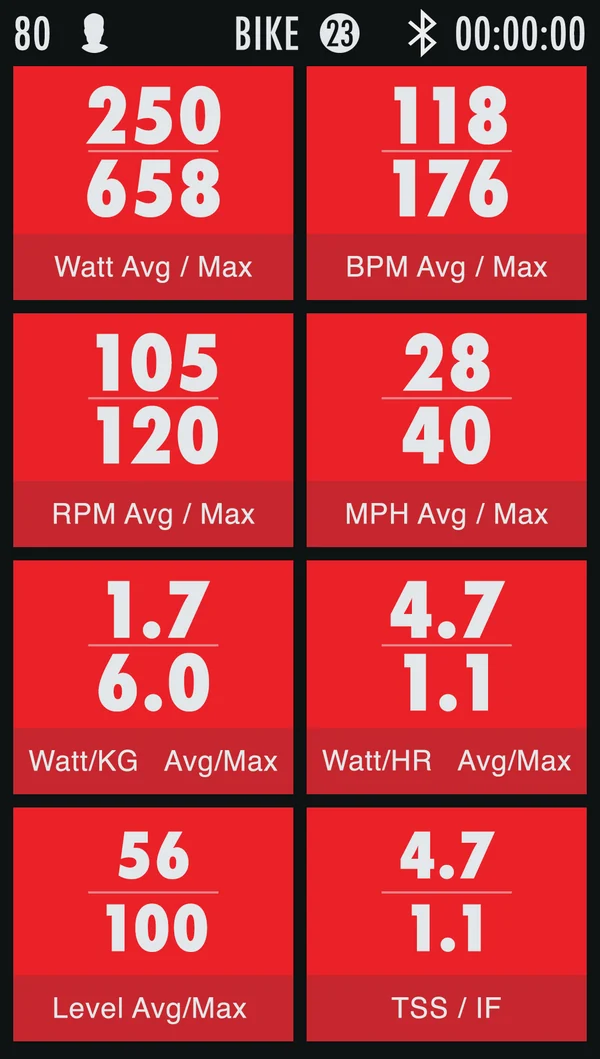
IC7 computer, screen 3: average and maximumScreen 3Average and maximum
Power, heart rate, cadence, speed and resistance across the whole ride, with TSS and IF.
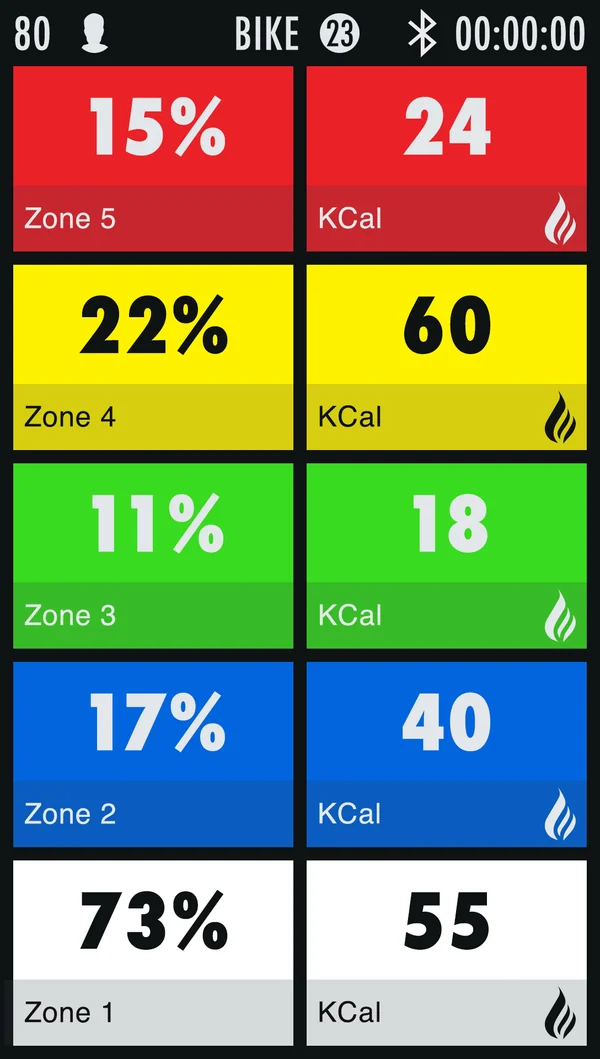
IC7 computer, screen 4: zonesScreen 4Zones
All five zones one below the other, with the percentage and calories for each.
IC7 computer, screen 5: pedal efficiencyScreen 5Pedal Efficiency
Pedal stroke curve and left and right leg power.
Training modes

Four modes, from the first visit to the test

Quick Start

One press of a button and the ride begins. No data entry.

Power Training

Training by power in watts. You enter your details and ride in your own zones.

Heart Rate Training

Training by heart rate, again in your own zones. Works with Bluetooth and analogue heart rate straps.

FTP test

Every four minutes the target rises by 25 W, and the task is to stay in the green for as long as possible. From the result the bike calculates your five zones.

Computer

Built into the handlebars, powered by riding

The colour TFT display is an integral part of the bike. No batteries to replace and no cable to the wall.
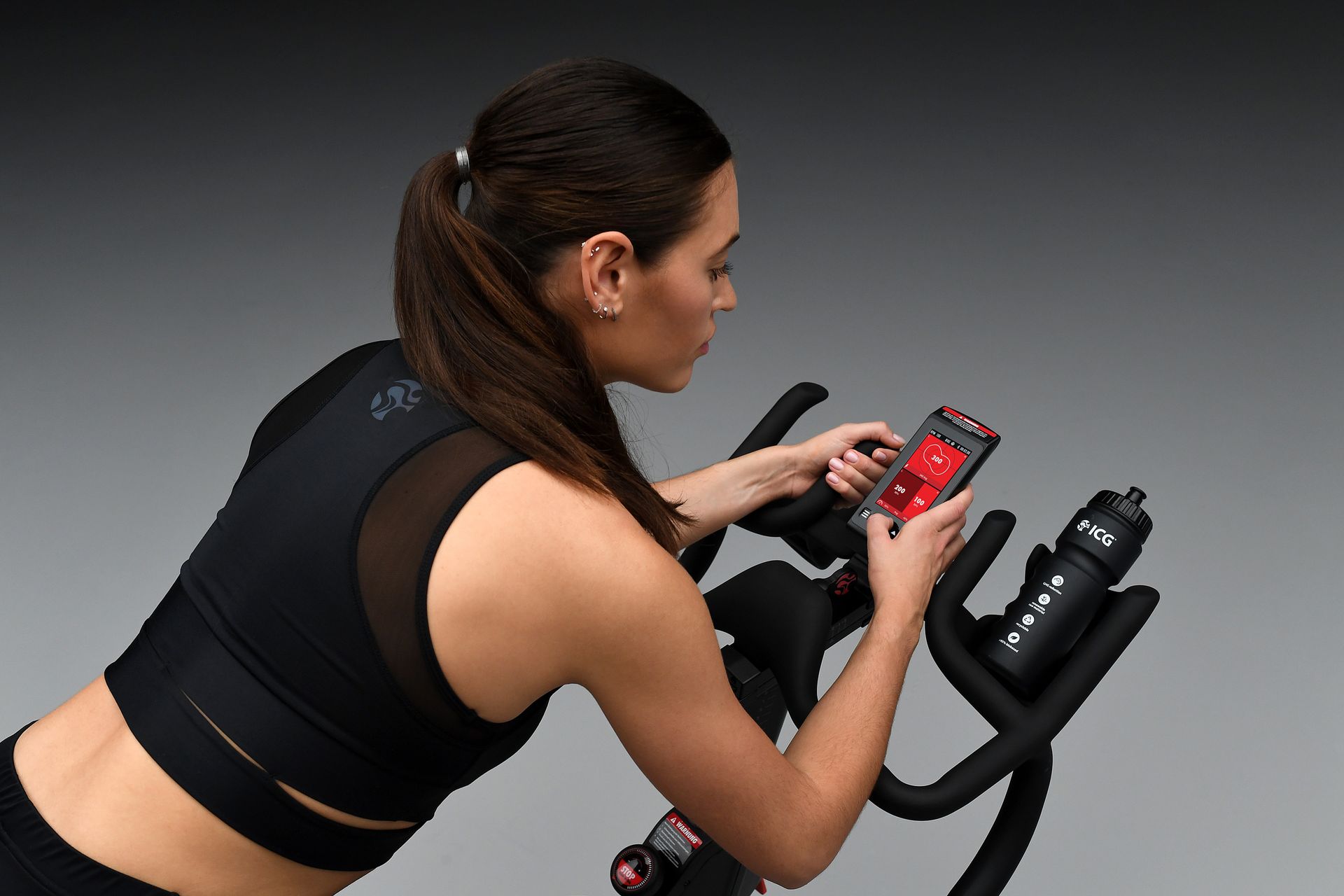
Rider adjusting the computer on an ICG IC7 bike
Connectivity and housing

The data goes beyond the bike

The computer sends ride data over Bluetooth 5.0 and ANT+, with no additional hardware: to the ICG App, to ICG Connect in the room or to third-party apps.
  • Backlit mechanical buttonsYou can feel the press under your finger, and the buttons are visible even in a completely darkened room.
  • Reinforced housingIt keeps moisture out, so sweat does not interrupt the ride.
  • Updates via micro USBThe port is hidden behind the front LED strip, so the software is quickly updated on every bike in the room.
The bike beneath the computer

The top of the ICG line

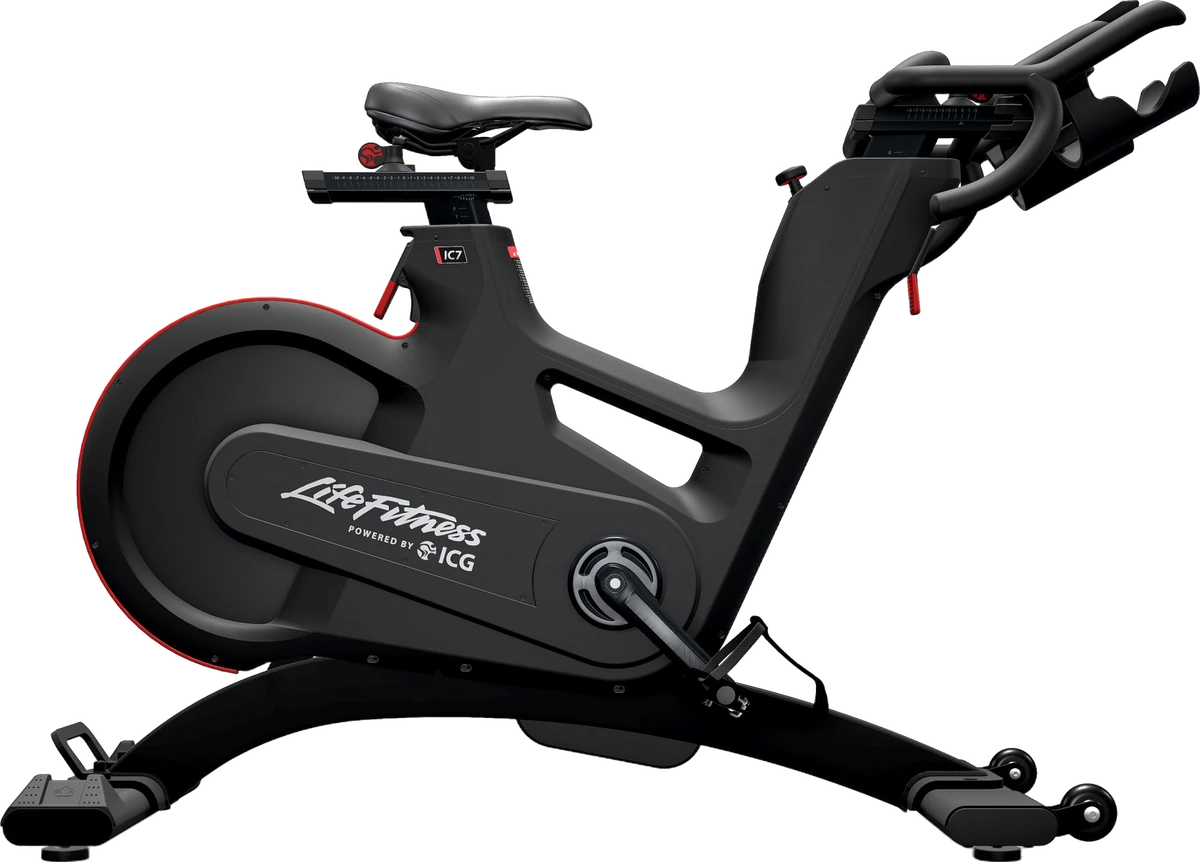
ICG IC7 indoor bike

Two-stage hybrid drive, Poly-V and toothed belt, with a 1:11 ratio. Handlebars and saddle adjust steplessly. For studios, sports clubs and anyone who measures power rather than estimating it.

Power measurement
WattRate Direct, ± 1 %
Computer
WattRate TFT
Power supply
Generator + LiPo
Coach By Color
Rider and instructor
Gear ratio
1 : 11
Q factor
155 mm
Dimensions
132 × 52 × 102 cm
Weight
54 kg
User capacity
150 kg
Compare with IC3, IC5 and IC6

How many IC7 bikes does your room need?

Send us the floor plan or the dimensions of the space. After a conversation we put together a quote covering the number of bikes, an equipment proposal and the price.

Request a quote