Recovery no longer happens by itself. Today it is a separate corner, a separate booking and separate revenue — and the only part of a facility that works without a trainer, without power in the floor and without a class timetable.
Most facilities have twenty or so square metres that do nothing — a corner by the exit, space next to the changing room, the corridor to the wellness area. Too small for machines, too short for group classes. That is exactly the space a recovery zone needs.
Personal training needs a person. A recovery zone doesn't. A member takes a device or a roller, does twenty minutes and leaves — and you have charged for space that was a passageway until yesterday.
It is also the easiest way to justify a higher-tier membership. Recovery included in the package is something concrete a member understands, unlike “extended access to facilities”.
A rule of thumb: one recovery station needs about two square metres — a mat or a chair, room for the device and enough air for a person to stretch their legs. Ten square metres is already a zone, not a corner.
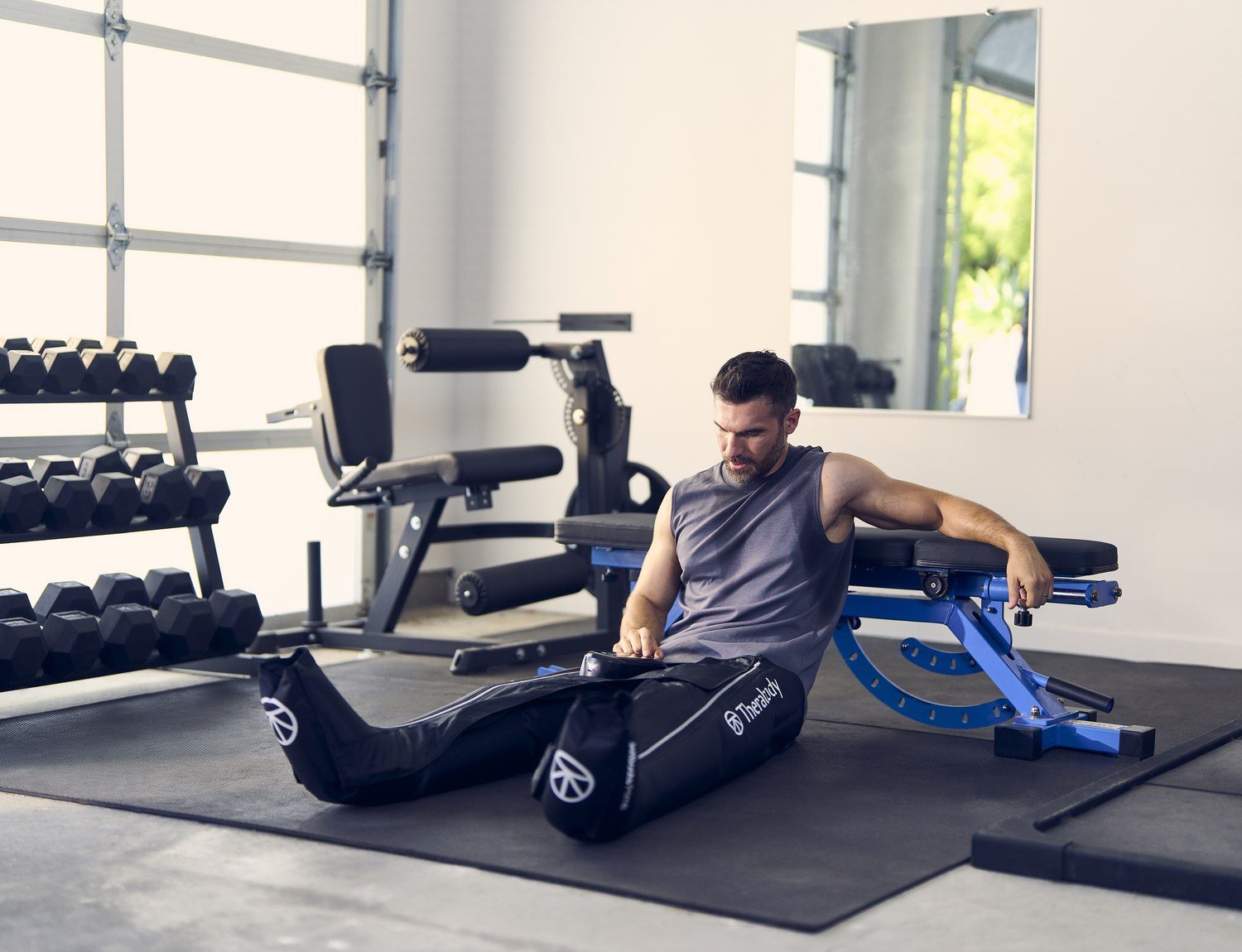
Members already use these devices. The only question is where. A roller and a percussive therapy device are rare pieces of equipment that a member has probably already held. That changes the job — you don't have to explain what it is for, only make it possible to use it at your facility, in a place that looks made for it.
A recovery zone is built in two layers. The first is the one that always works, uses nothing and never breaks down. The second is the one a member notices from the door and books a slot for. Most facilities need both.
Rollers, balls and sticks. They sit on a shelf, anyone passing can use them, they need no power or supervision and they cope with being handled by twenty people a day.
Percussive therapy, compression, heat and cold, face and sleep. This is the part that is charged by the session and sets a facility apart from the one next door.
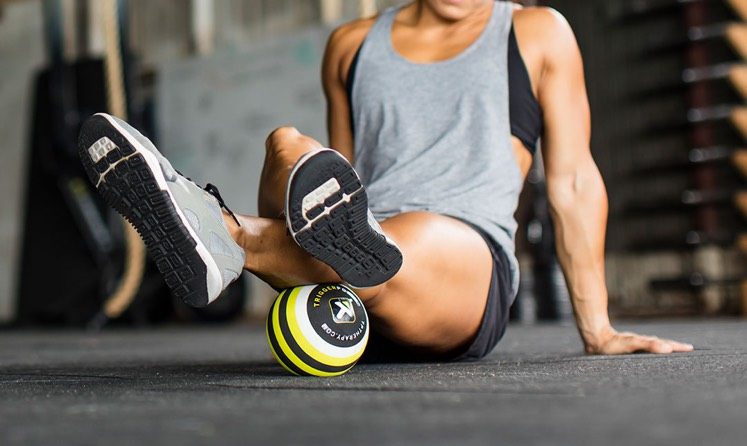
TriggerPoint was founded in Austin in 2002 by Cassidy Phillips — a triathlete who first made the tool for himself, looking for a way to ease muscle pain on his own. Out of that came a line of rollers, balls and sticks now used in gyms everywhere.
It differs from ordinary foam in two ways: the GRID pattern, which mimics a therapist's hand instead of pressing evenly, and the hollow core, thanks to which the roller does not flatten after the first season.
GRID 2.0: 66 cm long, 14 cm in diameter, a hollow ABS core and an EVA surface that wipes clean and stands up to sweat. Load capacity up to 136 kg.
TriggerPoint also has its own education — Myofascial Compression Techniques, an online course for trainers with credits from NASM, AFAA, canfitpro and PTAG. It is arranged directly with them; we mention it because it explains what each tool is for, not in order to sell it.
Balls and sticks are the consumable part of the zone — include them in the quote from the start, not later. The exact list of items and sizes is as per the current price list.
Therabody started with one device, and today covers three areas that are charged for separately in a facility and bought by different people: muscles, face and skin and sleep.
What matters for a gym is that none of it needs one employee per member. The device is taken, used for twenty minutes and put back — and in the meantime the zone has charged for a session.
A cart with three devices and attachments, with an anti-theft lock. Eight kilograms — a whole zone that is wheeled to where it is needed and locked when not in use.
Compression boots with no cables and no unit on the floor. The member puts them on unaided and needs nobody — the easiest item to charge for by the session.
A recovery chair. The place where you sit for twenty minutes and use whatever is next to it.
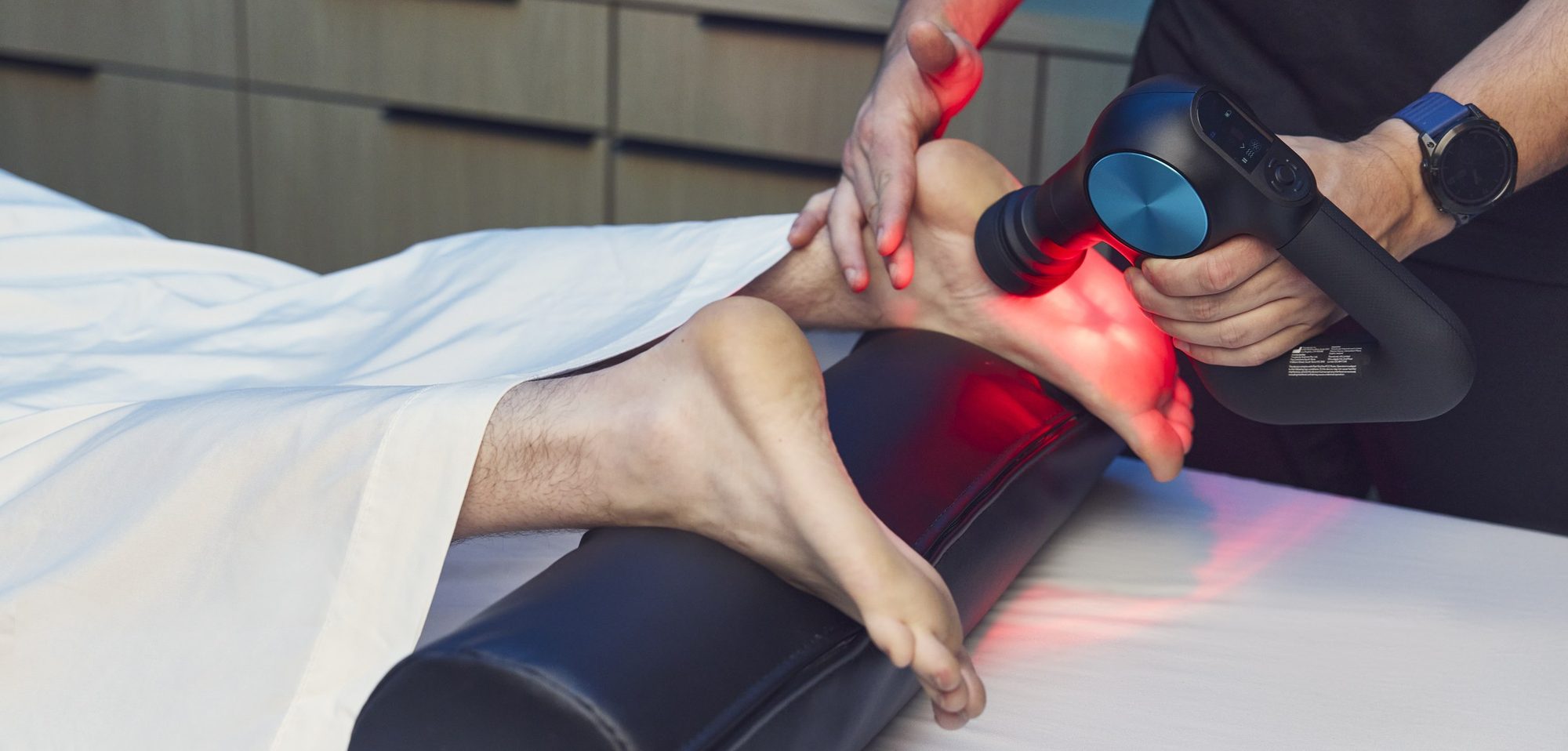
Percussive therapy. The top of the line combines six therapies in one device — from near-infrared light to heat and cold.
Face and skin — a device with attachments and LED light masks. The part bought by the wellness area, not the gym.
Massage, heat and light around the eyes, plus a sleep mask. The part hotels grasp first, because their guests arrive tired.
In hotels and larger clubs the recovery zone rarely belongs to the gym alone. Part goes to the spa, part to the treatment room, part stays by the machines. When everything comes from one supplier and on one quote, there is no negotiating twice and no waiting for two deliveries.
Recovery is the only category in which home and commercial buyers overlap. Home versions are ordered on request, with delivery and warranty like everything else. The difference from a commercial set-up is not quality but how many hours a day the device runs and whether it has to cope with being used by someone seeing it for the first time.
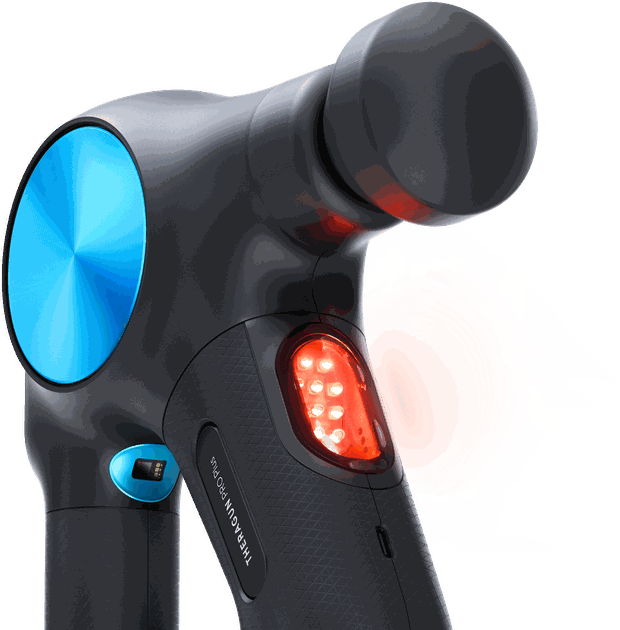
Percussive therapy for everyday recovery. The top of the line adds light, heat and cold in the same device.
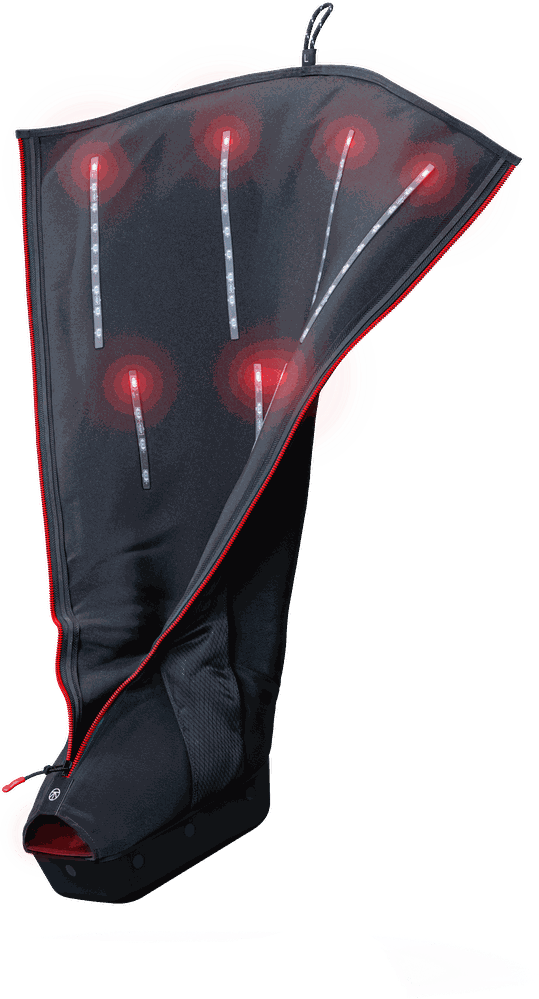
Wireless compression for heavy legs after a run or a long shift. No unit and no hoses on the floor.
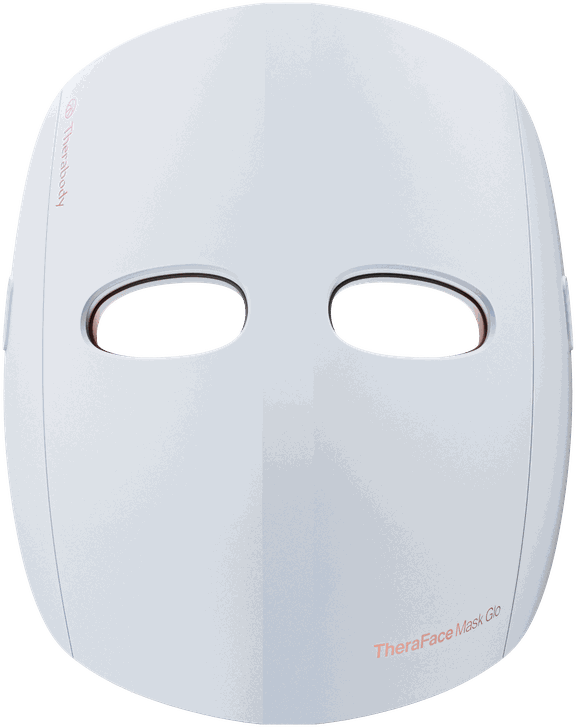
LED light masks and a device with attachments — the part of the range bought by an entirely different person from the one who buys a roller.
The question buyers ask most often is not which device is best but which is the right one. This is the short route to an answer — and if none of the rows fits, give us a call.
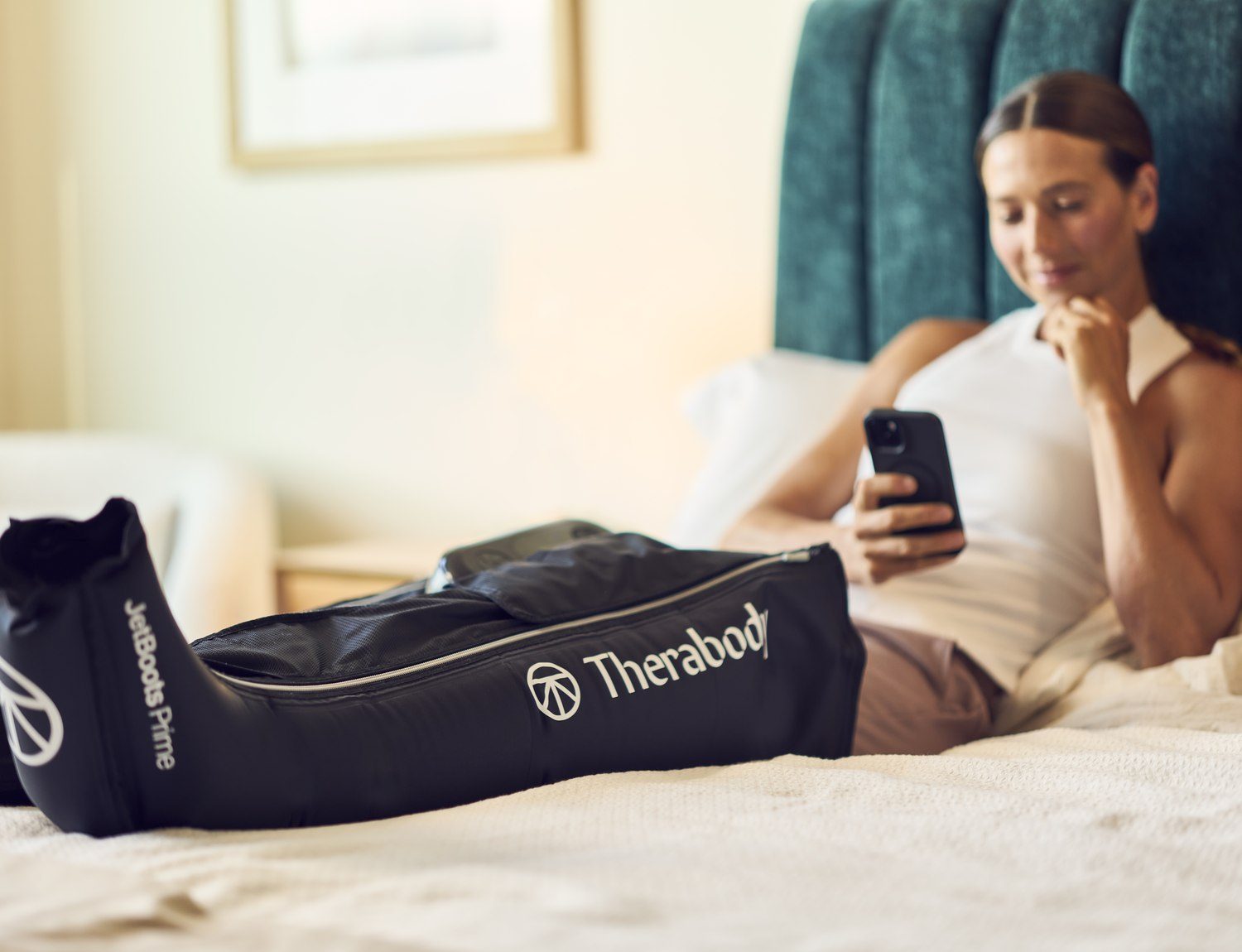
Recovery is almost always the last item on the list, so it ends up in whatever corner is left. Drawn in early, it gets a place visible from the entrance — and that is the only reason it gets used.
Devices, warranty and parts through the authorised distributor, not grey imports.
It is drawn in together with the machines, not afterwards into whatever corner is left.
If staff cannot explain the class, the class does not sell.
Our own technicians, inland and on the coast.
The same supplier covers the zone by the machines and the treatment room.
Machines, flooring and recovery on the same document and with the same installation date.
Therabody has its own page — it explains what each line does and how the models differ.
Send us the floor plan or a photo of the space. After a conversation we put together a quote for the recovery zone, with equipment and price — and a calculation of how many sessions a day that corner can take.
Request a quote